
Smart Home
Closing Your Jersey Shore House for Winter: A Smart Home Checklist
Hristo Stefanov, Izzo Network · October 20, 2026
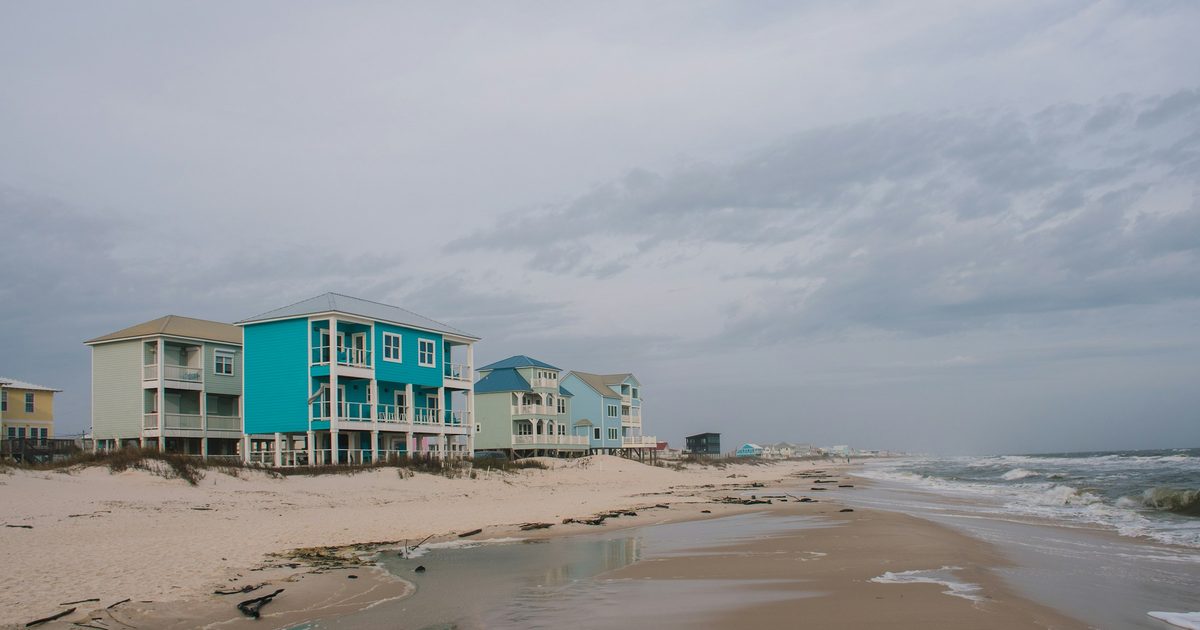
Every fall, shore homeowners from Brigantine and Margate to Ocean City, Sea Isle, Avalon, Stone Harbor, Wildwood, and Cape May go through the same routine: turn down the heat, shut the windows, lock up, and hope nothing goes wrong until spring. The trouble is that winter is when shore houses take the most damage. A furnace quits during a cold snap, a pipe freezes and splits, a nor'easter knocks out power, or a sump pump falls behind, and nobody finds out until the next visit. A few smart home devices, set up and tested before you leave, turn that guesswork into alerts on your phone. Here is a simple checklist for closing a Jersey Shore house or second home for the off-season.
Why the off-season is the riskiest time for a shore house
An empty house in winter faces problems that rarely show up in summer:
- Heating failures during a cold snap can drop indoor temperatures fast, especially in raised homes with exposed floors and pipes.
- Frozen pipes in crawl spaces, outdoor showers, and exterior walls can burst and leak for days before anyone notices.
- Power outages from nor'easters and coastal storms can shut off heat, sump pumps, and dehumidifiers.
- Moisture and humidity build up when the house is closed tight, inviting mold and musty smells by spring.
- Unwanted visitors notice dark, quiet streets in the off-season.
Set the heat and watch it remotely
A smart thermostat is the center of a winter plan:
- Set a safe minimum temperature instead of turning the heat off. Many homeowners and insurers suggest keeping it in the mid-50s, but follow your own insurer's guidance.
- Turn on temperature alerts so you get a notice if the house drops below a set point, which usually means the heat has failed.
- Add a few temperature sensors in the coldest spots, such as the crawl space, a garage with plumbing, or a bathroom on an outside wall. The thermostat only knows the temperature where it hangs.
Catch leaks and freezes before they spread
Water is the costliest winter surprise, so this step matters most:
- Place leak sensors under sinks, behind toilets, next to the water heater, by the washer, and near the sump pump.
- Add an automatic water shutoff valve that closes the main if a sensor detects a leak, so a split pipe does not keep flowing for weeks.
- Consider freeze sensors on pipes in unheated spaces, which warn you before a pipe actually freezes.
- If you drain and winterize the plumbing, sensors still help by watching for heating failures and storm water.
Know when the power goes out
Power loss is the start of many winter problems:
- Get outage alerts. Many smart hubs, thermostats, and sensors report when they lose power or go offline, so a sudden silence becomes a warning.
- Keep the home's internet service active through the winter and put the modem and router on a small battery backup, so alerts can still reach you during short outages.
- Plan for longer outages by deciding in advance who can check on the house, and whether a backup generator makes sense for heat and the sump pump.
Keep moisture in check
A closed-up shore house can get damp quickly:
- Use a humidity sensor to track indoor levels, and get an alert if they climb too high.
- Put a dehumidifier on a smart plug or schedule so it runs when needed and you can confirm it is working.
Lock up and make the house look lived in
Security for an empty house is about seeing and controlling it from home:
- Remove old smart lock codes for summer renters, cleaners, and guests, and create a new code for anyone who will check on the house.
- Check your cameras and video doorbell so they are recording, online, and aimed at the entrances and driveway.
- Set lighting schedules that vary a little each evening instead of leaving one porch light on all winter.
- Confirm the garage door shows closed in the app and set an alert if it opens.
Test everything before you leave
Before you drive back inland, take ten minutes to run through it:
- Trigger a leak sensor with a damp paper towel and make sure the alert reaches your phone.
- Confirm the thermostat holds your winter set point and sends low-temperature alerts.
- Check that every camera, sensor, and lock shows online in its app.
- Replace batteries in sensors, smart locks, and smoke and CO detectors.
- Share access with a trusted neighbor or caretaker who can respond if an alert comes in.
Get help from a local smart home installer
Izzo Network sets up smart thermostats, leak and freeze sensors, water shutoff valves, smart locks, cameras, and lighting for Jersey Shore homes and second homes, from Mays Landing, NJ 08330 across Atlantic and Cape May counties. Call or text (609) 415-0011, or use the contact form, to get your shore house ready for the off-season before the first cold snap.
FAQ
What temperature should I leave my shore house at for the winter?
Many homeowners keep the heat in the mid-50s so pipes inside walls stay above freezing. Check your homeowner's insurance policy, since some insurers have their own requirements for vacant or seasonal homes.
Do smart sensors still work if the power goes out?
Battery-powered sensors keep working, but the alerts need the hub and the internet connection to reach you. A small battery backup for the modem, router, and hub covers short outages, and a device that suddenly goes offline is itself a useful sign of a longer outage.
Should I shut off the water or use an automatic shutoff valve?
Both approaches work. Shutting off and draining the water is the most cautious choice for a house that will sit empty all winter, while an automatic shutoff valve protects homes that are visited on weekends or rented in the off-season.
Can I set this up myself?
Many of these devices are designed for do-it-yourself setup. A local installer helps when you want everything working in one app, sensors placed in the right spots, a water shutoff valve set up on the main line alongside your plumber, and the whole system tested before you leave for the season.
Want help with your own house? Call (609) 415-0011 (Mon–Fri 8am–6pm) or send a short note.