
Smart Home
Smart Thermostats for Jersey Shore Homes That Sit Empty During the Week
Hristo Stefanov, Izzo Network · October 5, 2026
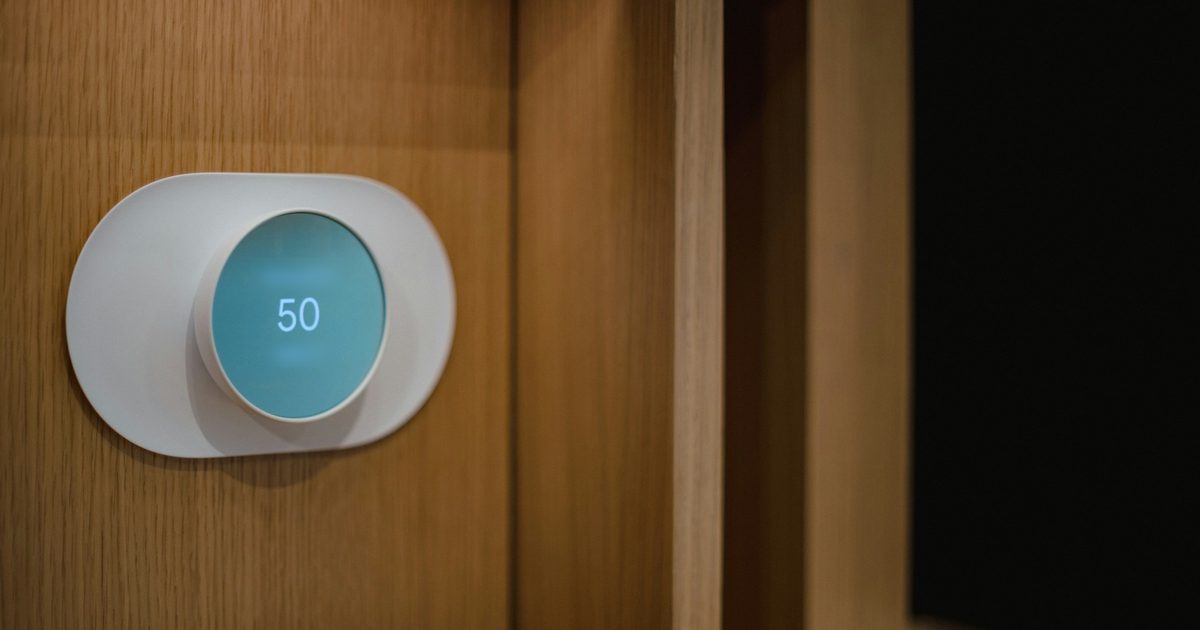
A lot of South Jersey shore houses live two lives. They are full on weekends and quiet Monday through Thursday. Rentals turn over on Saturday, and some homes sit closed for weeks after Labor Day. Heating or cooling an empty house all week wastes money, but shutting the system off completely brings its own risks near the water. A smart thermostat, set up properly, lets you run the house only when someone is there and check on it from anywhere. This guide covers how that works for homes in places like Ocean City, Margate, Ventnor, Brigantine, and Mays Landing.
Why empty weekdays are hard on a shore house
An empty house still needs some climate control, especially near the bay or ocean:
- Humidity. Salt air and damp summers mean mold and musty smells if a closed house gets warm and sticky.
- Freezing pipes. A winter cold snap can freeze plumbing in a house left too cold, especially in crawl spaces and on outside walls.
- Comfort on arrival. Nobody wants to walk into a 90-degree or 45-degree house on Friday night and wait hours for it to recover.
- Wasted energy. Heating or cooling an empty house to "people temperature" all week adds up fast.
A basic programmable thermostat helps a little, but shore schedules change constantly. Smart thermostats handle that better.
What a smart thermostat actually does for you
A smart thermostat is a Wi-Fi connected thermostat you can control from your phone. For a part-time or rental home, the useful features are:
- Remote control. Change the temperature from your phone before you leave home on Friday.
- Away and vacation modes. Hold the house at a safe setback temperature all week.
- Schedules. Warm or cool the house a few hours before guests or family arrive.
- Alerts. Get a notification if the house gets too hot, too cold, or loses its connection.
- Humidity readings. Many models report indoor humidity, and some can run the system to help keep it in check.
For rental owners, a few models also let you lock the temperature range, so guests can stay comfortable without setting the AC to 60 with the doors open.
Pick sensible setback temperatures
There is no single right number, but many shore homeowners use ranges like these. Your HVAC contractor can tell you what makes sense for your house:
- Summer, empty: around the high 70s to low 80s, with attention to humidity.
- Winter, empty: around the mid-50s, never so low that pipes on outside walls are at risk.
- Arrival: a schedule that starts recovery a few hours before you or your guests check in.
The bigger the difference between setback and comfort, the longer recovery takes. Older systems and heat pumps may need extra time, so plan arrival schedules with that in mind.
Wi-Fi matters more than the thermostat
A smart thermostat is only smart while it is online. In a closed shore house that is often the weak spot:
- The internet service gets paused or downgraded for the off-season.
- The router reboots after a power blip and comes back on the wrong settings.
- The thermostat sits on an inside wall far from the router and drops off Wi-Fi.
- Renters reset or unplug the router.
If the thermostat goes offline, you lose remote control and alerts right when you need them. A reliable whole-home network, with the thermostat, cameras, and locks on the owner network and renters on a separate guest network, makes the whole setup dependable. A small battery backup for the modem and router helps the house reconnect after short outages.
Check compatibility before you buy
Not every smart thermostat works with every system. Before buying one, check:
- The wiring at your current thermostat. Many smart thermostats need a common wire (C-wire) for steady power.
- Your system type. Gas furnace, heat pump, dual-fuel, boiler, or mini-splits all need different setups. Mini-splits usually use their own controllers.
- How many zones you have. Multi-story shore houses often have two or three systems, each needing its own thermostat.
- Whether you want sensors. Remote room sensors help when the thermostat sits in a hallway but bedrooms run hot or cold.
When in doubt, a photo of the wiring behind your current thermostat goes a long way toward a quick, accurate answer.
Pair it with the rest of the smart house
A thermostat works best as part of a simple system you can check from one place:
- Water leak sensors under sinks, by the water heater, and near the washer.
- Smart locks with guest codes that change for each rental.
- Cameras at entry doors and the driveway, on the owner side of the network.
- Freeze and humidity alerts that reach your phone when the house is empty.
You do not need all of it at once. Many owners start with the thermostat and leak sensors, then add locks and cameras later.
Get help from a local smart home installer
Izzo Network installs smart thermostats, whole-home Wi-Fi, and related smart home gear from Mays Landing, NJ 08330, for South Jersey shore houses and year-round homes. Call or text (609) 415-0011, or use the contact form on izzonetwork.net, for a walkthrough and a written estimate. For HVAC repairs or new equipment, we will work alongside your heating and cooling contractor.
FAQ
Will a smart thermostat work if the house loses internet?
Yes, it keeps running its schedule and holding temperature. You lose remote control and alerts until the connection comes back, which is why reliable Wi-Fi and a small battery backup for the router matter.
Can renters change the temperature?
Usually yes, within limits you set. Many smart thermostats let owners lock a temperature range, so guests stay comfortable without running the system to extremes.
What temperature should I leave an empty shore house in winter?
Many owners keep it around the mid-50s, but the right setting depends on insulation, plumbing location, and your system. Ask your HVAC contractor, and avoid going so low that pipes on outside walls are at risk.
Do I need a C-wire?
Many smart thermostats need one for steady power. Some include an adapter or work without it. A quick look at the wiring behind your current thermostat tells us what will work.
Want help with your own house? Call (609) 415-0011 (Mon–Fri 8am–6pm) or send a short note.